
You know you need to go to the dentist, but something keeps holding you back. Maybe it’s the sound of the drill, the memory of an unpleasant procedure, or simply the thought of sitting in that chair. If any of that feels familiar, you’re far from alone, and there’s a real solution worth knowing about. Working with a sedation dentist makes it possible to get the care you need without the fear that’s been holding you back. Whether your anxiety is mild or significant, sedation options exist to make your experience more comfortable and manageable.
What Does a Sedation Dentist Do?
Sedation dentistry uses medication to help patients relax during dental procedures. A sedation dentist is trained to administer and monitor these medications so that patients who struggle with fear or discomfort can receive treatment in a calm, controlled state.
This doesn’t mean you’re unconscious. Most sedation options keep you awake and responsive, just deeply relaxed. It’s a practical tool, not an extreme measure.
Who Benefits From Sedation Dentistry?
Sedation isn’t only for people with a strong aversion to dental visits. Many patients find it helpful for various reasons. It tends to be a good fit for those who:
- Experience nervousness before or during dental visits
- Have a strong gag reflex that makes treatment difficult
- Need multiple procedures completed in a single appointment
- Have sensitive teeth or low pain tolerance
- Have had a difficult dental experience in the past
What Are the Most Common Sedation Options?
Different patients have different needs, and a qualified sedation dentist will discuss which option is the safest and most appropriate for your situation.
Nitrous Oxide
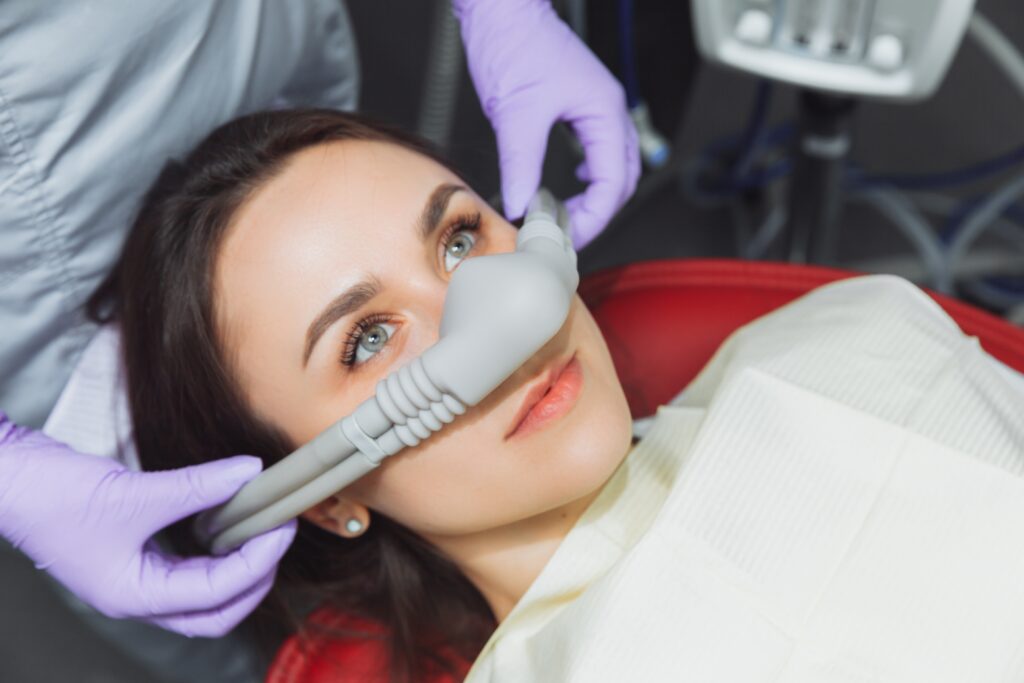
Often called laughing gas, nitrous oxide is inhaled through a small mask placed over the nose. It produces a relaxed feeling within minutes, and the effects wear off quickly once the mask is removed. Most patients can drive themselves home afterward, making it one of the most convenient options available.
Oral Conscious Sedation
With this method, you take a prescribed pill before your appointment. You remain awake and able to respond to instructions but feel noticeably calmer. Many patients recall little about the procedure afterward. Because the medication takes time to fully clear your system, you’ll need someone to drive you home.
IV Sedation
Administered directly into the bloodstream, IV sedation works quickly and allows the dentist to adjust the level of sedation throughout the procedure. It produces a deeper state of relaxation and is typically used for more complex cases or patients with higher levels of anxiety.
Is Sedation Dentistry Safe?
This is one of the most common questions patients ask, and it’s a fair one. When administered by a properly trained provider, sedation dentistry has a strong safety record. Your medical history, current medications, and overall health are all reviewed before any sedative is prescribed or given.
Throughout the appointment, your vital signs are monitored, and the dental team is prepared to respond to any changes. The goal is always to keep you comfortable while ensuring your well-being is the priority.
If you have specific concerns about whether sedation is right for you, that conversation should happen before your procedure. Any good dental team will welcome it.
What Can I Expect During a Sedation Appointment?
Knowing what to expect ahead of time can make a real difference, especially if anticipatory anxiety is part of what you’re dealing with.
Before your appointment, you’ll have a consultation to review your health history and discuss your concerns. The type and dosage of sedation will be decided based on your needs. You may receive instructions about eating, drinking, and arranging a ride depending on the method used.
During the procedure, most patients feel calm and only loosely aware of what’s happening around them. Time tends to pass much faster, and many patients are surprised by how quickly the appointment seems to end.
Afterward, you may feel groggy for a few hours, depending on the sedation used. Your care team will give you recovery instructions and let you know when it’s safe to return to normal activities.
Ready to Make an Appointment with a Sedation Dentist?
If you’ve been searching for a sedation dentist near the Monmouth County area, proximity matters, but so does the quality of care you’ll receive.
At Dr. Jay Gohel’s practice in Middletown, sedation is offered as part of a fully personalized experience. The team takes time to understand each patient’s concerns, and that philosophy carries through every part of your visit. You can learn more about how we support a dental experience built around you, which speaks directly to what patient-centered care looks like here.
The practice also provides a range of general and family dentistry services, which means sedation can be part of your ongoing care, not just a one-time arrangement. Whether you’re a new patient or returning after a long break, our team is ready to make your experience a positive one. Contact us today to schedule a consultation and find out which sedation option is right for you!

Sedation Dentist FAQs
Will I be unconscious during sedation dentistry?
In most cases, no. Most sedation options keep you awake and able to respond. You’re simply in a deeply relaxed state. General anesthesia, which renders patients unconscious, is typically reserved for more complex surgical cases.
How do I know which type of sedation is right for me?
Your dentist will review your medical history, current medications, and the nature of the procedure before making a recommendation. The decision is always made with your safety and comfort as the top priority.
Can I drive home after a sedation appointment?
It depends on the type of sedation. Nitrous oxide typically allows patients to drive, but oral sedation and IV sedation require you to arrange a ride. Your dental team will give you specific instructions in advance.
Is sedation dentistry only for people with severe anxiety?
Not at all. Patients use sedation for many reasons, including a sensitive gag reflex, difficulty sitting still, or the desire to complete multiple treatments in one visit. You don’t need a phobia to benefit from a more relaxed appointment.
Is sedation safe for patients with existing health conditions?
A thorough health history review is completed before any sedation is administered. Certain conditions may affect which type is appropriate, which is why open communication with your dentist is essential.
How long does oral sedation last?
The effects can linger for several hours after your appointment, which is why a trusted person driving you home is required. Most patients feel fully back to themselves by the end of the day.