
Healthy gums are the foundation of a healthy smile, yet gum disease often develops quietly before symptoms become obvious. If you’ve noticed bleeding gums, persistent bad breath, or gum tenderness, your dentist may recommend dental scaling and root planing as an early, effective way to stop periodontal disease in its tracks. This non-surgical treatment goes beyond a routine cleaning to target harmful bacteria below the gumline, helping restore gum health and protect your teeth.
Understanding how this procedure works and who benefits from it can help you take a proactive step toward better oral health.
What Is Dental Scaling and Root Planing?
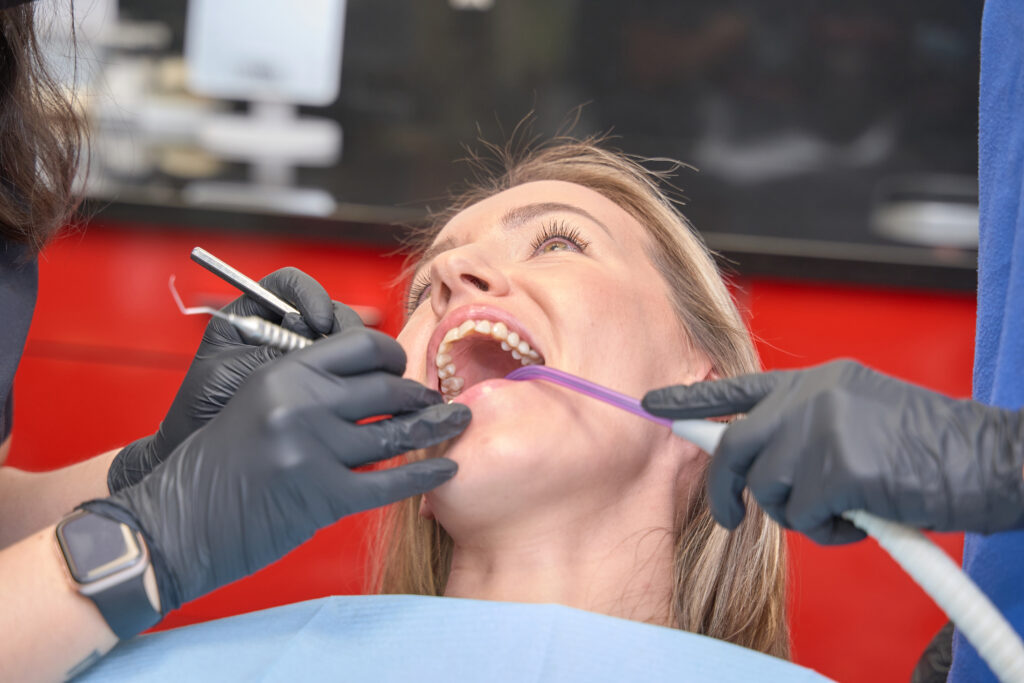
Dental scaling and root planing are deep cleaning procedures used to treat gum disease, particularly in its early to moderate stages. Unlike a standard dental cleaning that focuses on plaque and tartar above the gumline, this treatment addresses buildup beneath the gums where bacteria thrive.
Scaling involves carefully removing plaque, tartar, and bacteria from the tooth surfaces and from periodontal pockets that form between the gums and teeth. These pockets create an ideal environment for infection to spread if left untreated.
Root planing smooths the root surfaces of the teeth after scaling. By eliminating rough areas where bacteria can easily attach, the gums are encouraged to reattach to the teeth, reducing pocket depth and promoting healing.
Depending on the extent of gum disease, dental scaling and root planing may be completed over one or more visits, often using local anesthesia to ensure comfort throughout the procedure.
Why Gum Disease Requires More Than a Regular Cleaning
Gum disease begins as gingivitis, marked by redness, swelling, and bleeding gums. At this stage, routine cleanings and improved oral hygiene may reverse the damage. However, when gingivitis progresses to periodontitis, bacteria move deeper below the gumline, and standard cleanings are no longer sufficient.
Once periodontal pockets deepen, they trap bacteria and debris that brushing and flossing can’t reach. Without intervention, this infection can lead to bone loss, gum recession, and eventually tooth loss. Dental scaling and root planing target the root cause of the problem, not just the surface symptoms.
What Results Can You Expect?
When performed promptly and followed by proper maintenance, dental scaling and root planing can deliver meaningful improvements in oral health.
Many patients experience:
- Reduced gum inflammation and bleeding
- Healthier gum attachment around the teeth
- Fresher breath due to the removal of bacteria
- Slower or halted progression of periodontal disease
- A reduced need for surgical periodontal treatments
Healing typically occurs over several weeks as gums tighten around the teeth. Follow-up visits allow your dentist to monitor progress and determine whether additional treatment is necessary.
Who Is a Candidate for Dental Scaling and Root Planing?
Not everyone needs a deep cleaning, but certain signs indicate that dental scaling and root planing may be beneficial.
You may be a candidate if you:
- Have bleeding or swollen gums that don’t improve with brushing
- Experience chronic bad breath or a bad taste in your mouth
- Have gum pockets deeper than normal during a periodontal exam
- Show signs of gum recession or bone loss on dental X-rays
- Have been diagnosed with early or moderate periodontal disease
Candidacy is determined through a comprehensive periodontal evaluation. Your dentist measures pocket depths around each tooth and assesses gum health to decide whether this treatment is appropriate.
What to Expect After the Procedure
Following dental scaling and root planing, mild soreness or sensitivity is common, especially during the first few days. This usually resolves quickly with good oral care and, if recommended, an antimicrobial mouth rinse.
Long-term success depends on consistent follow-up care. Patients often transition to periodontal maintenance cleanings every three to four months rather than standard six-month visits. At home, daily brushing, flossing, and avoiding tobacco are essential to prevent reinfection.
Protect Your Gum Health
Dr. Jay Gohel and his team are committed to helping patients preserve their natural teeth and maintain healthy gums through early intervention and personalized care. By offering dental scaling and root planing as part of a comprehensive periodontal treatment plan, Dr. Gohel helps patients address gum disease before it leads to more serious complications.
What you can expect at our practice:
- Thorough periodontal evaluations and clear explanations
- Gentle, effective treatment focused on comfort and results
- Ongoing guidance to help you maintain gum health long-term
- A supportive team dedicated to your overall dental wellness
If you’re concerned about gum disease or have been told you may need deep cleaning, schedule a consultation today to find out if dental scaling and root planing are right for you.

Dental Scaling and Root Planing FAQs
What is the difference between scaling and a regular cleaning?
A regular cleaning removes plaque above the gumline, while scaling cleans below the gums where infection develops.
Is dental scaling and root planing painful?
The procedure is typically performed with local anesthesia, and most patients report only mild soreness afterward.
How long does it take to see results?
Improvements such as reduced bleeding and healthier gums often appear within a few weeks as healing occurs.
Can this procedure cure gum disease?
It can stop or slow gum disease in its early to moderate stages, but ongoing maintenance is essential.
Will I need antibiotics after treatment?
Some patients may benefit from antibiotics, but this depends on the severity of the infection.
How often will I need follow-up visits?
Most patients require periodontal maintenance cleanings every three to four months.